The Story Behind Goldsborough Hall’s Lime Tree Walk: A Royal Tradition Rooted in History
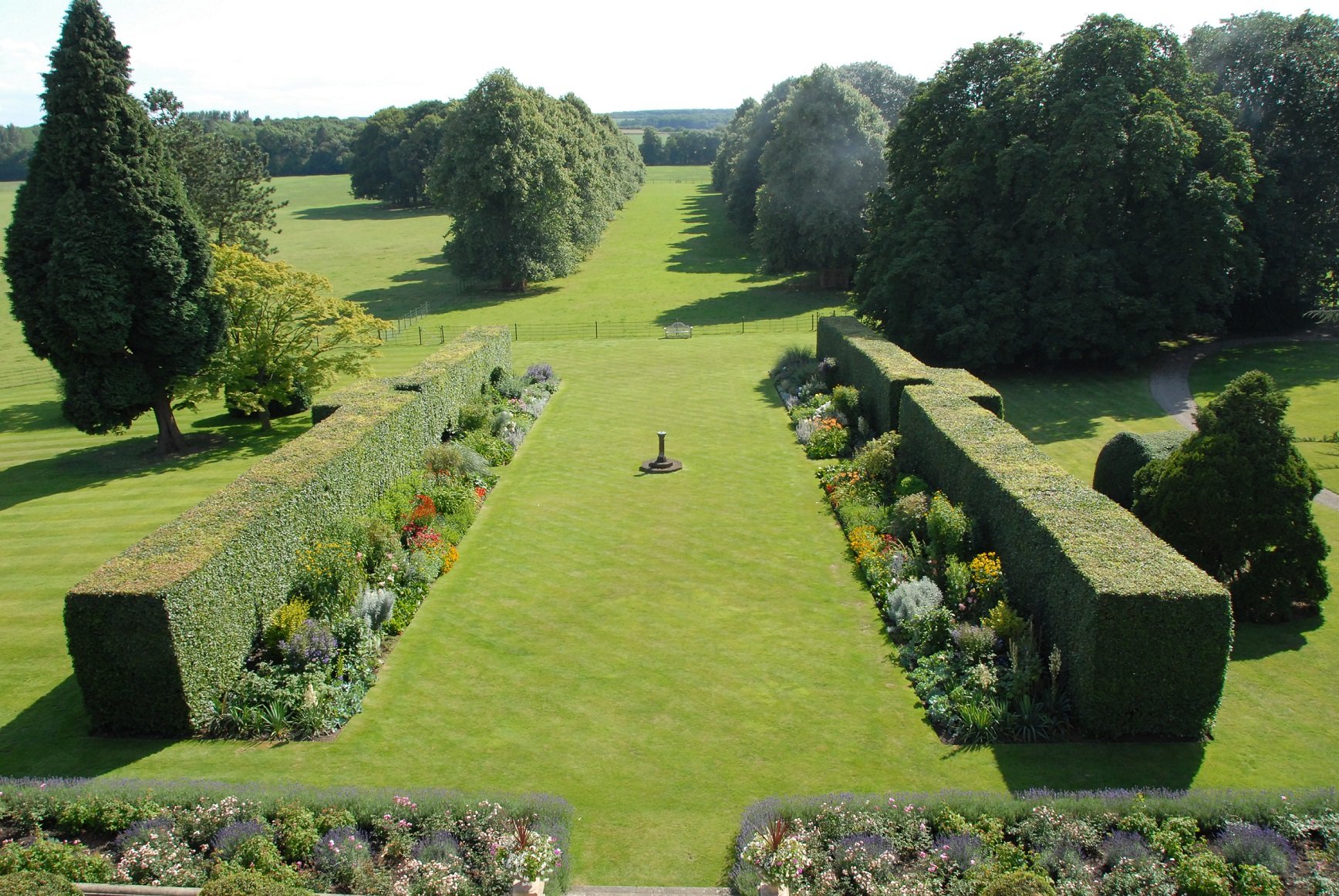
The Lime Tree Walk at Goldsborough Hall, North Yorkshire, a royal landscape designed by Princess Mary
When you stroll down Goldsborough Hall’s Lime Tree Walk, it’s easy to be swept up in its timeless beauty - the way the trees frame the Hall in perfect symmetry, the sound of the wind through the leaves, the changing light through the seasons. But behind this lime avenue lies a story that stretches back over 300 years of royal landscape design.
From Continental Europe to Yorkshire
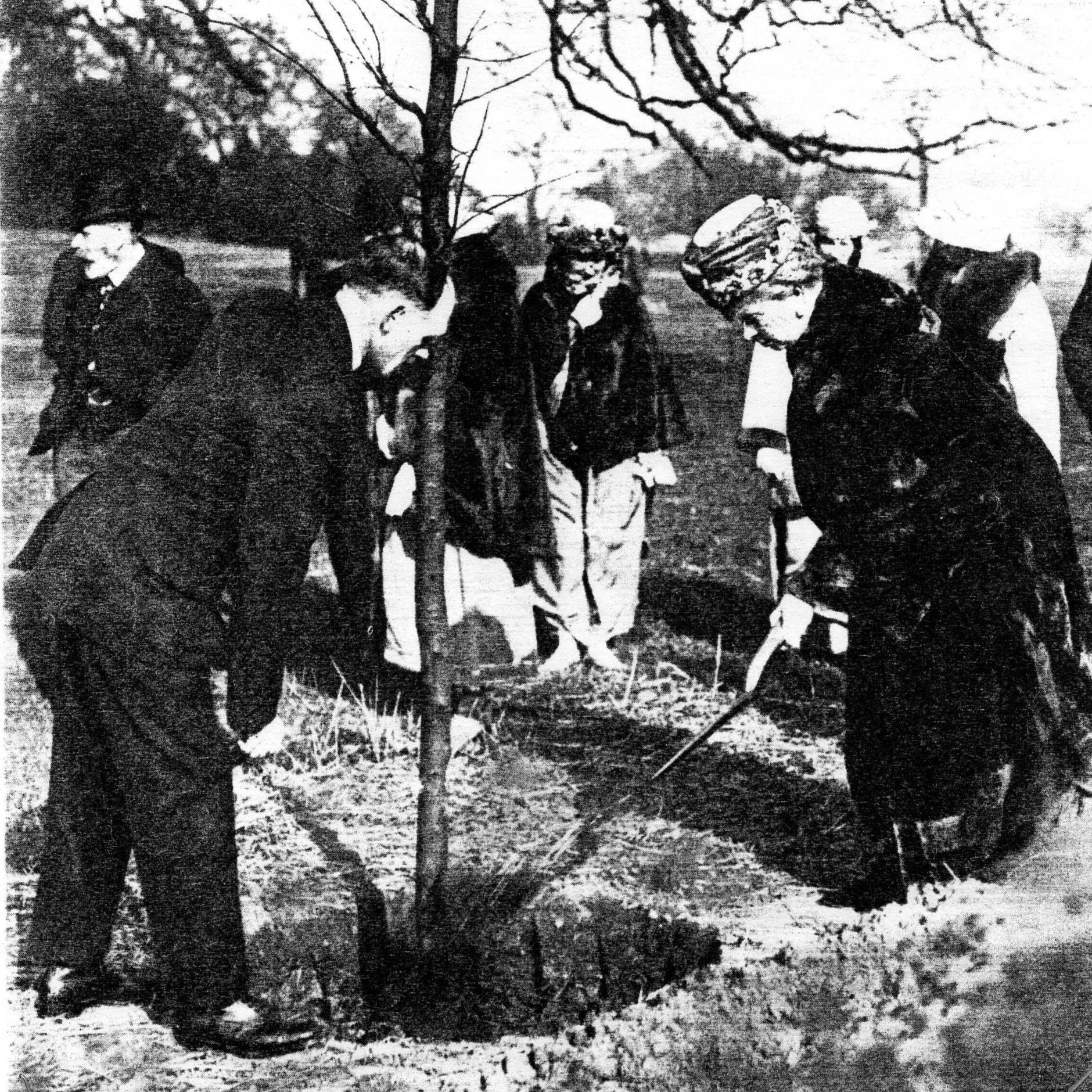
Queen Mary planting a tree in the Lime Tree Walk
The European trend of creating grand avenues began in Renaissance Italy in the 1500s. The concept was adopted and adapted in French garden design, eventually spreading throughout the Continent.
King Charles II planted a lime avenue at Hampton Court Palace following his restoration in 1660. The 17th and 18th centuries saw highly structured landscape design come into vogue, and tree avenues became a popular way of extending formal gardens into the wider parkland.
A royal fashion takes root
Across the country, new avenues appeared at royal and stately homes. The lime tree became the tree of choice as it is long-lived, beautifully shaped, and scented in summer. It offered a sense of formality and was a perfect match for the romantic, stately tone of the English countryside.
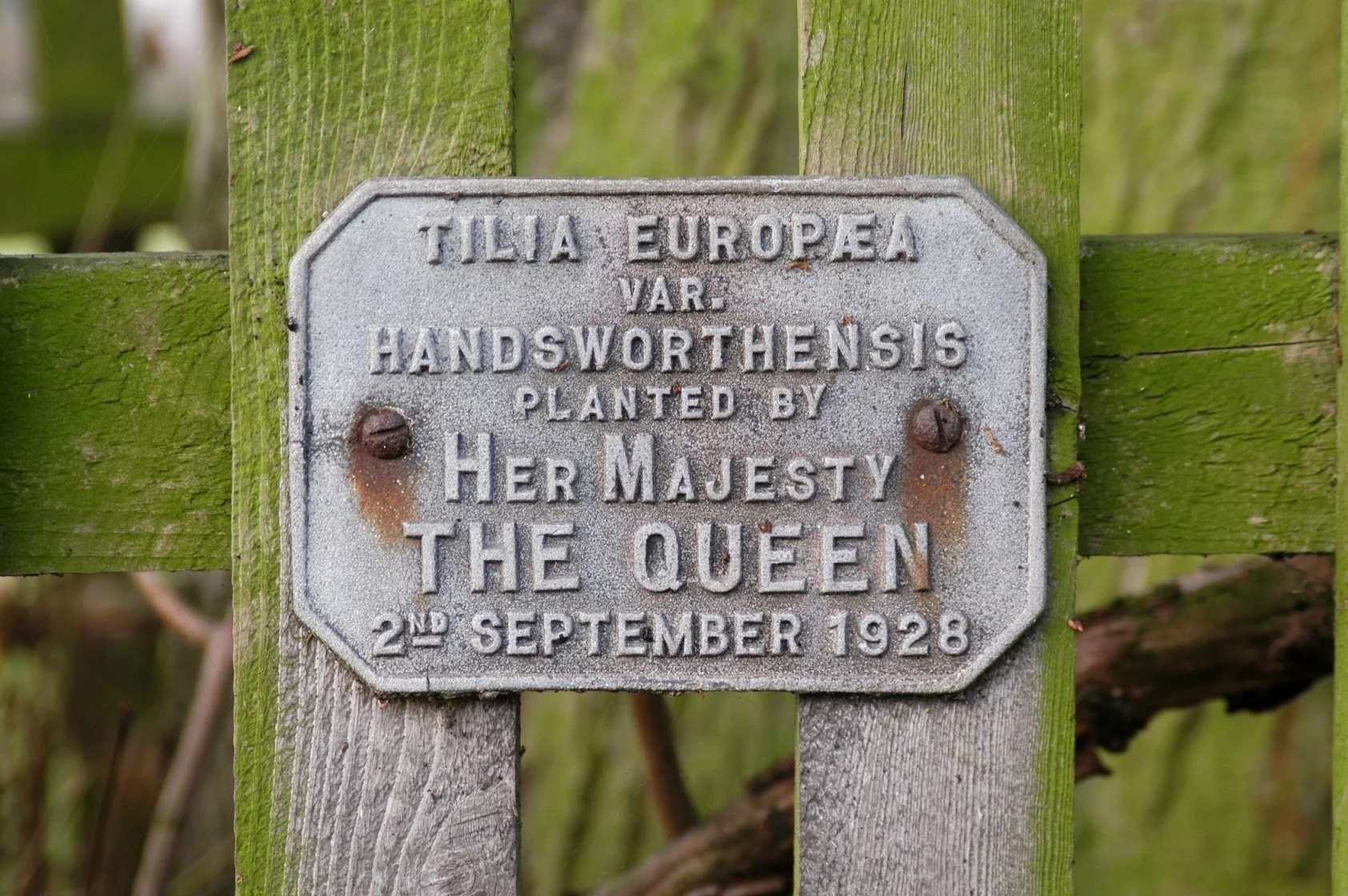
Queen Mary planted no less than five trees in Goldsborough Hall’s royal Lime Tree Avenue
Goldsborough’s Lime Tree Walk
The Lime Tree Walk at Goldsborough Hall was planted very much in that royal tradition. Princess Mary had a clear vision for the new gardens at Goldsborough Hall. She planned two beech hedges to define the space, flanked by long, elegant borders. In the distance, the symmetry of the garden was to be accentuated by an avenue of lime trees, stretching out and drawing the eye along its grand axis. These lime trees were chosen for their rapid growth and impressive height intended to make a bold statement - one that we can still enjoy today.
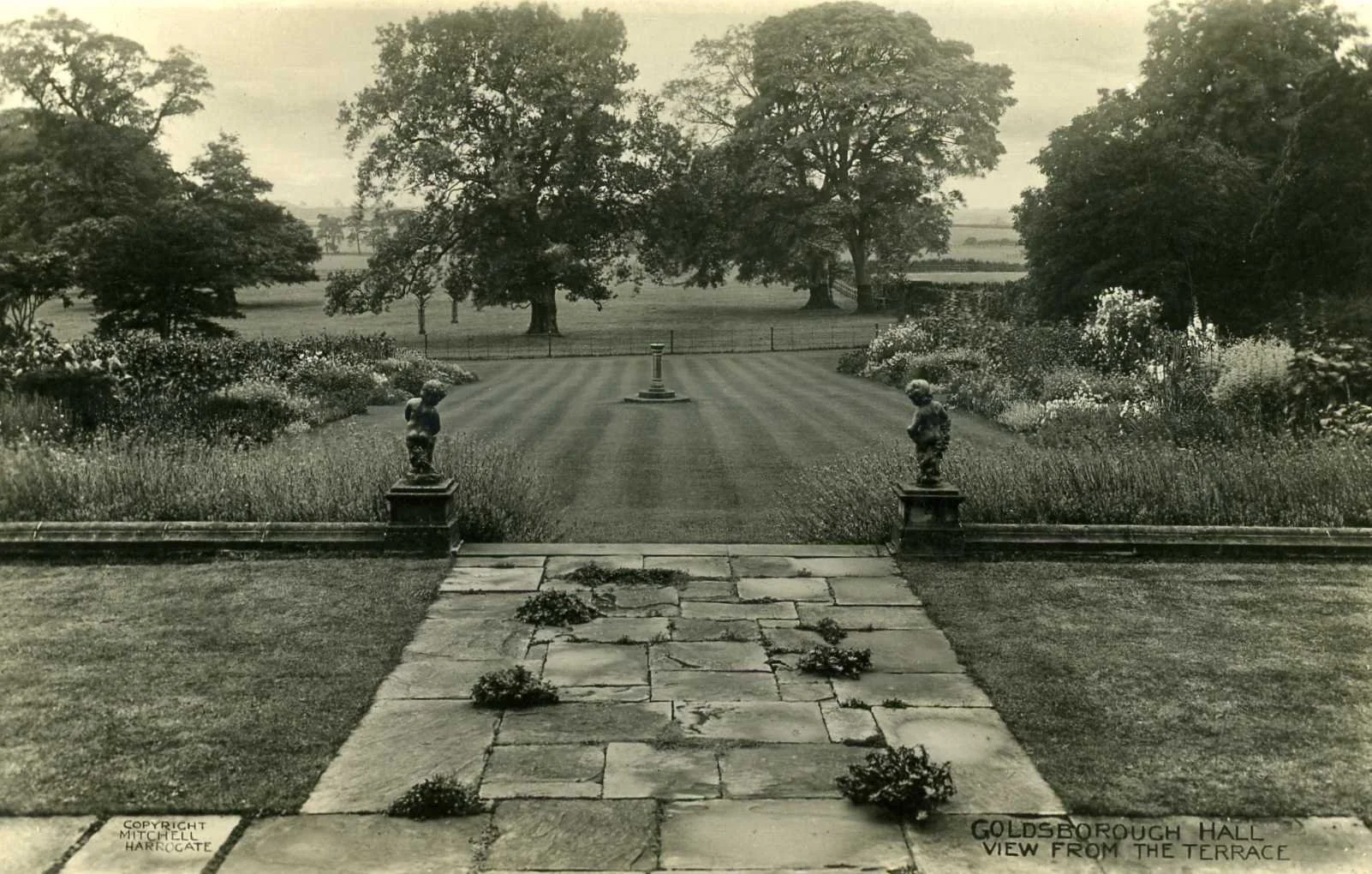
The royal gardens in Princess Mary’s day - the newly planted lime trees are to the left of the large trees in the distance
Princess Mary and Viscount Lascelles planted the first tree on their arrival at the Hall in December 1922. The princess continued the tradition of royal tree planting by inviting her family and friends to plant lime trees during their visits.
The first tree in the Lime Tree Walk was planted jointly by Princess Mary and Viscount Lascelles in December 1922
This custom began with the first tree, which was planted jointly. Thereafter, the convention for subsequent plantings was that gentlemen would plant their trees on the left side, while ladies would plant theirs on the right. The final tree was planted in 1930, marking the end of this tradition.
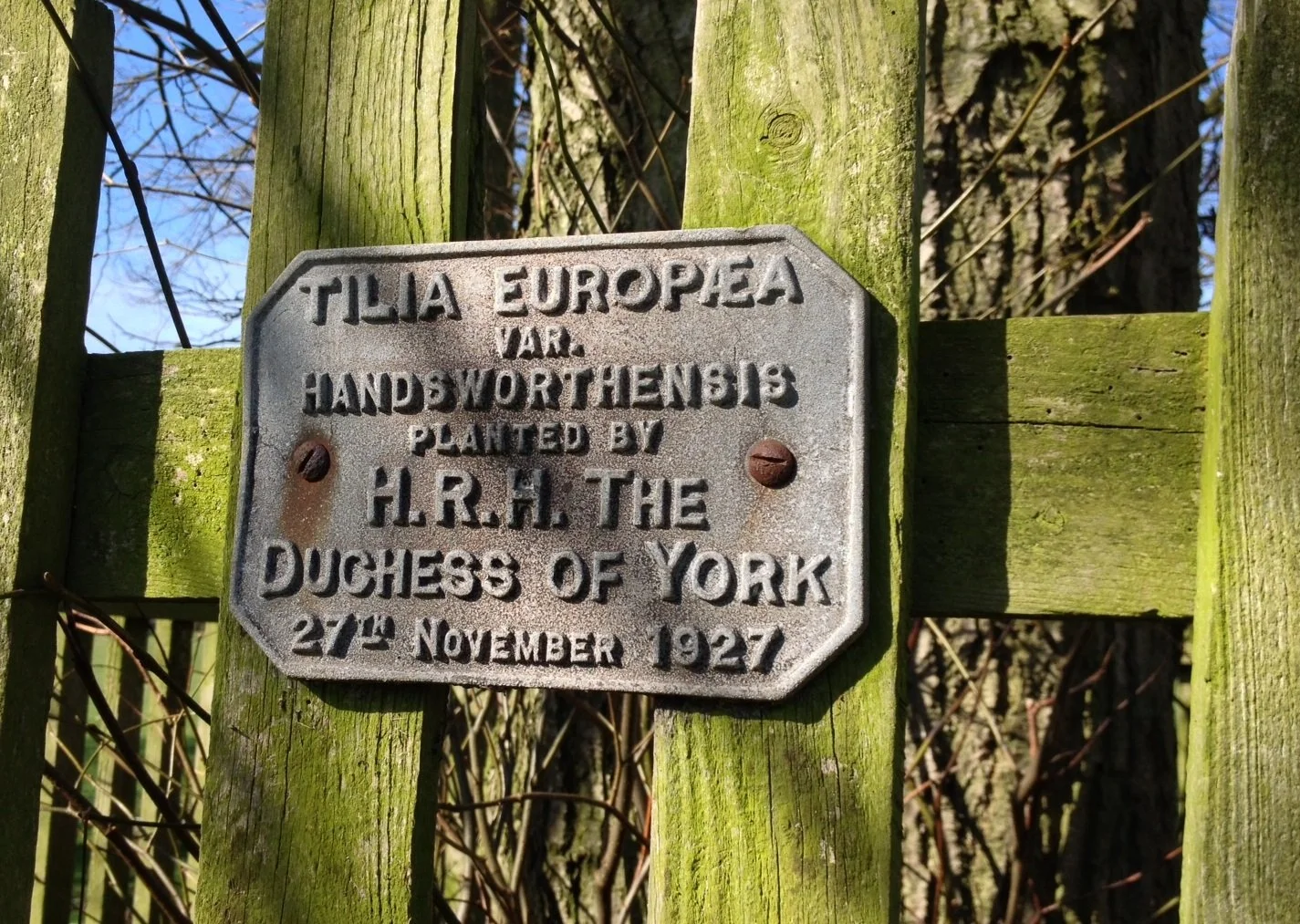
One of two Queens to plant trees in the Lime Tree Walk - The Duchess of York, later Queen Elizabeth (the Queen Mother)
Three Kings and Two Queens
The avenue boasts a distinguished royal heritage, with trees planted by three Kings - George V, Edward VIII, and George VI. At the time of planting, Edward VIII and George VI were known as The Prince of Wales and The Duke of York respectively. In addition, two Queens contributed to the legacy: Queen Mary and Queen Elizabeth, the Queen Mother, who was then styled as the Duchess of York.
King George planted three of the trees in the historic Lime Walk
but Queen Mary topped that by planting five
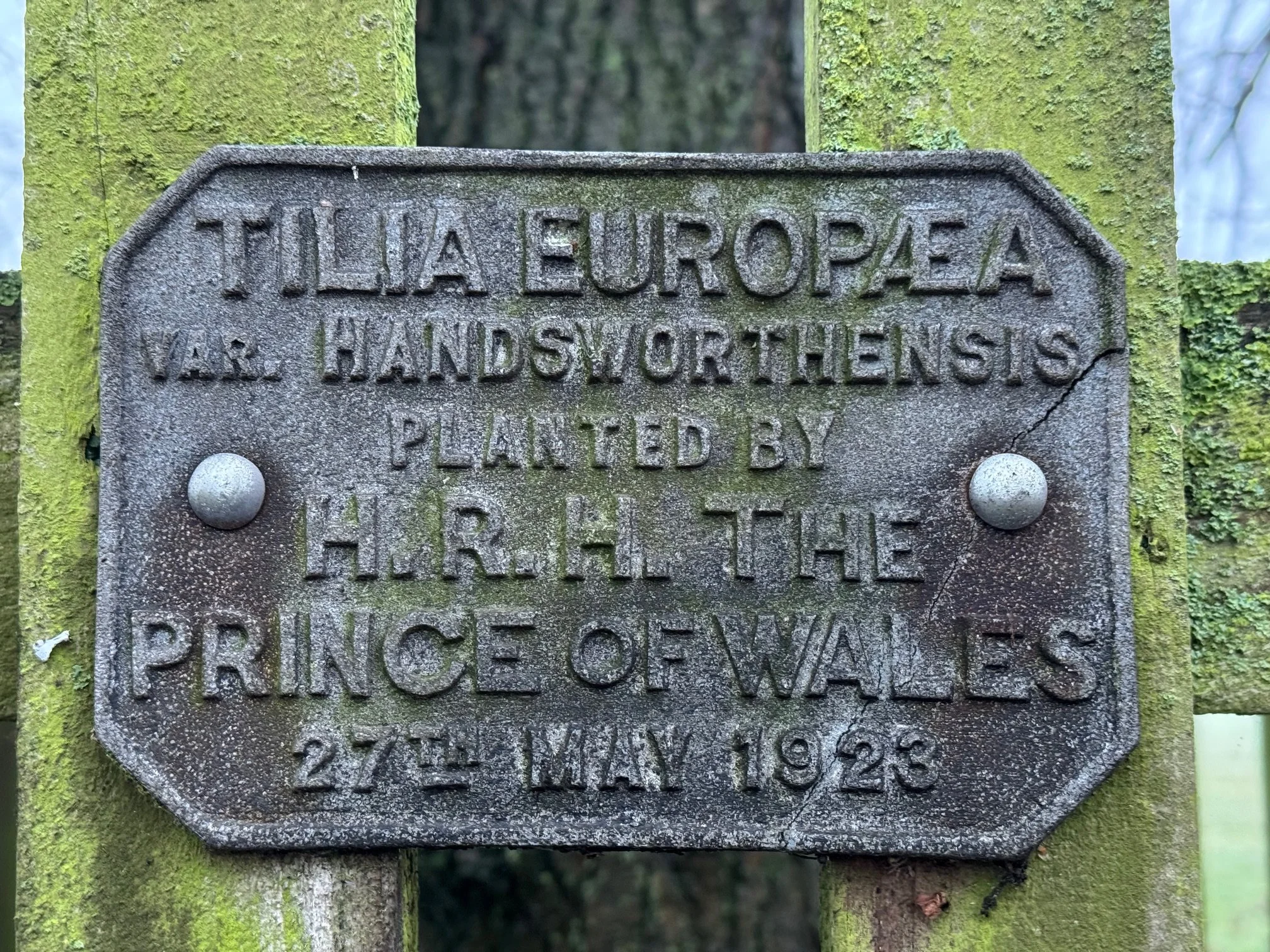
Planted by the Prince of Wales, later King Edward VIII
King George V was a notable contributor to the avenue, planting three lime trees in total. His first was planted in 1923, following the christening of his grandson, George; another in August 1924, and a third in 1925.
Queen Mary took the opportunity to plant five trees, commencing with the first at her grandson’s christening. She was joined on this occasion by Viscount Lascelles’s mother, The Countess of Harewood.
The trees lining the Lime Tree Walk are Tilia europea var Handsworthensis, sourced from Fisher, Son & Sibray Ltd of Hansworth Nurseries in Sheffield. This nursery was distinguished by holding the Royal Warrant to supply trees and seeds to George V.
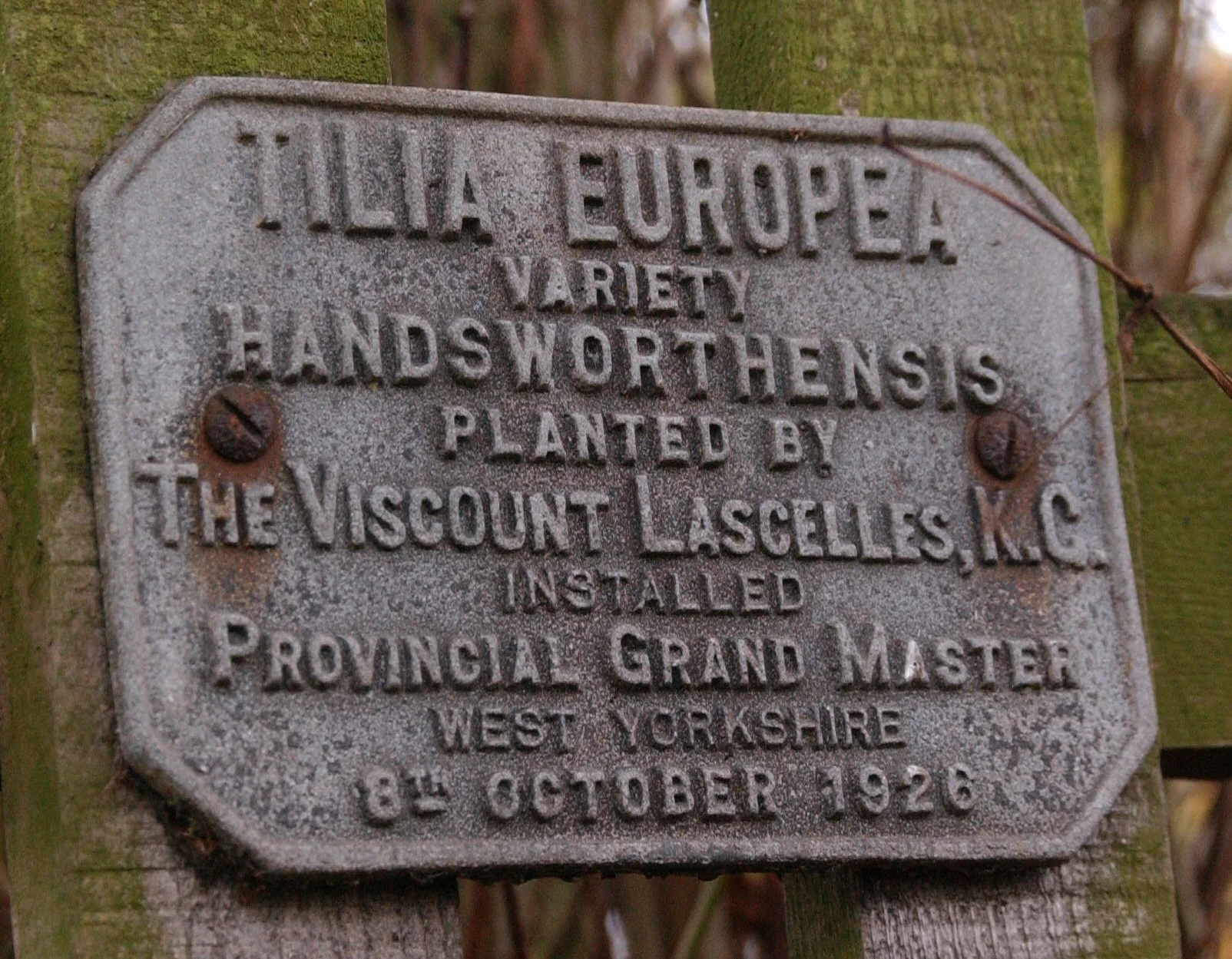
Princess Mary’s husband Viscount Lascelles planted a tree in the historic Yorkshire gardens on 8th Octboer 1926
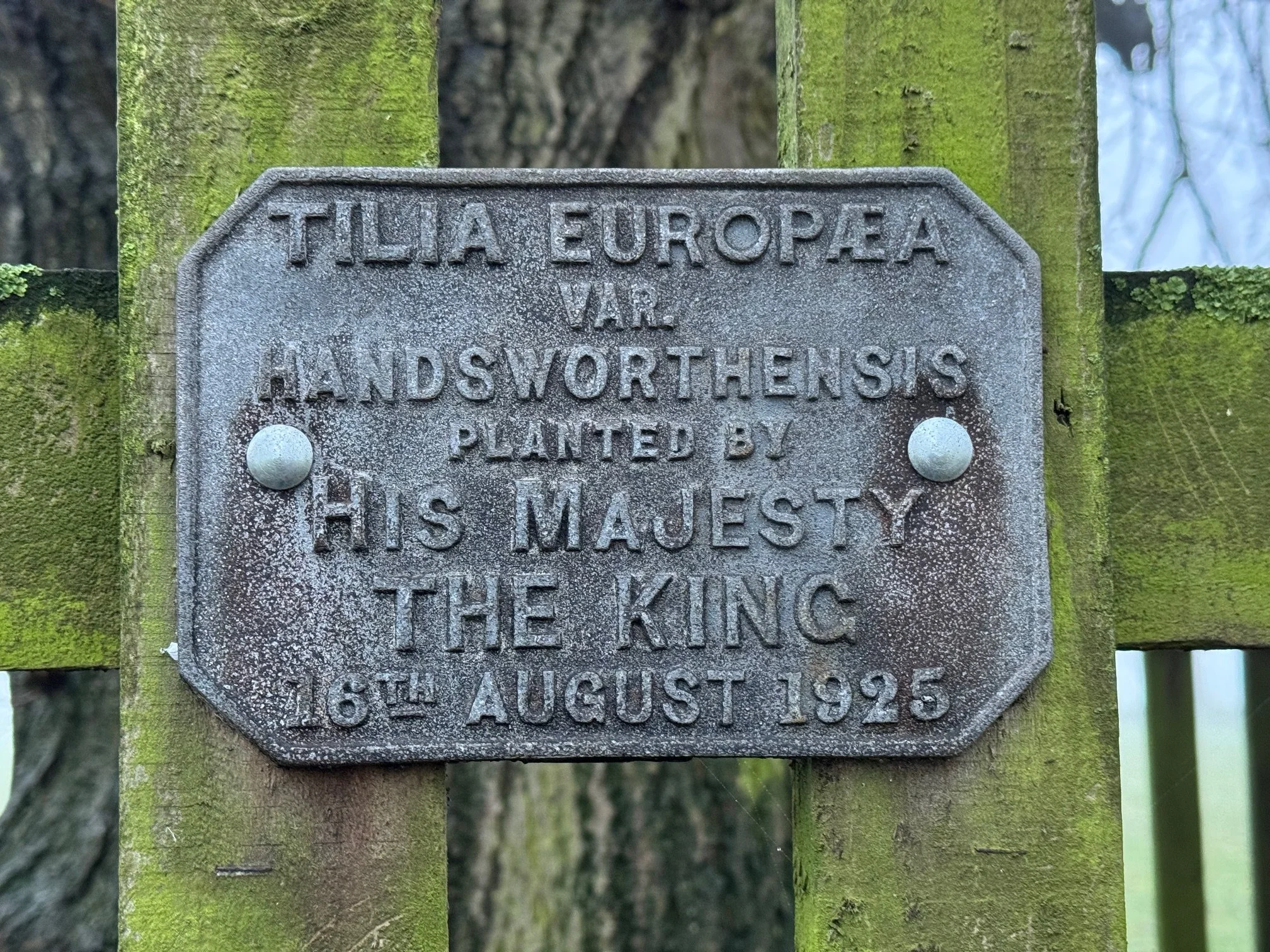
King George V planted one of his three trees in 1925
After the death of the 5th Earl of Harewood in 1929, the last trees were planted in 1930. This period marked a significant transition for the household, as the family prepared to depart the Hall. With Viscount Lascelles now becoming the 6th Earl of Harewood, the family’s move to Harewood House signified both an end and a new beginning.
A notable plaque commemorates the planting of Princess Mary’s tree in 1930, stating it was planted by ‘The Countess Harewood’ - a reflection of her newly acquired title. On 14th April of that year, the final three trees were planted, each dedicated to the family’s changing status. George and Gerald, the sons, were now recognised as ‘The Honble Viscount Lascelles’ and ‘The Honble Gerald Lascelles’ respectively, while their father assumed the title ‘The Earl of Harewood’.
One of the last trees to be planted describes Princess Mary as ‘The Countess of Harewood’ - a reflection of her newly acquired title
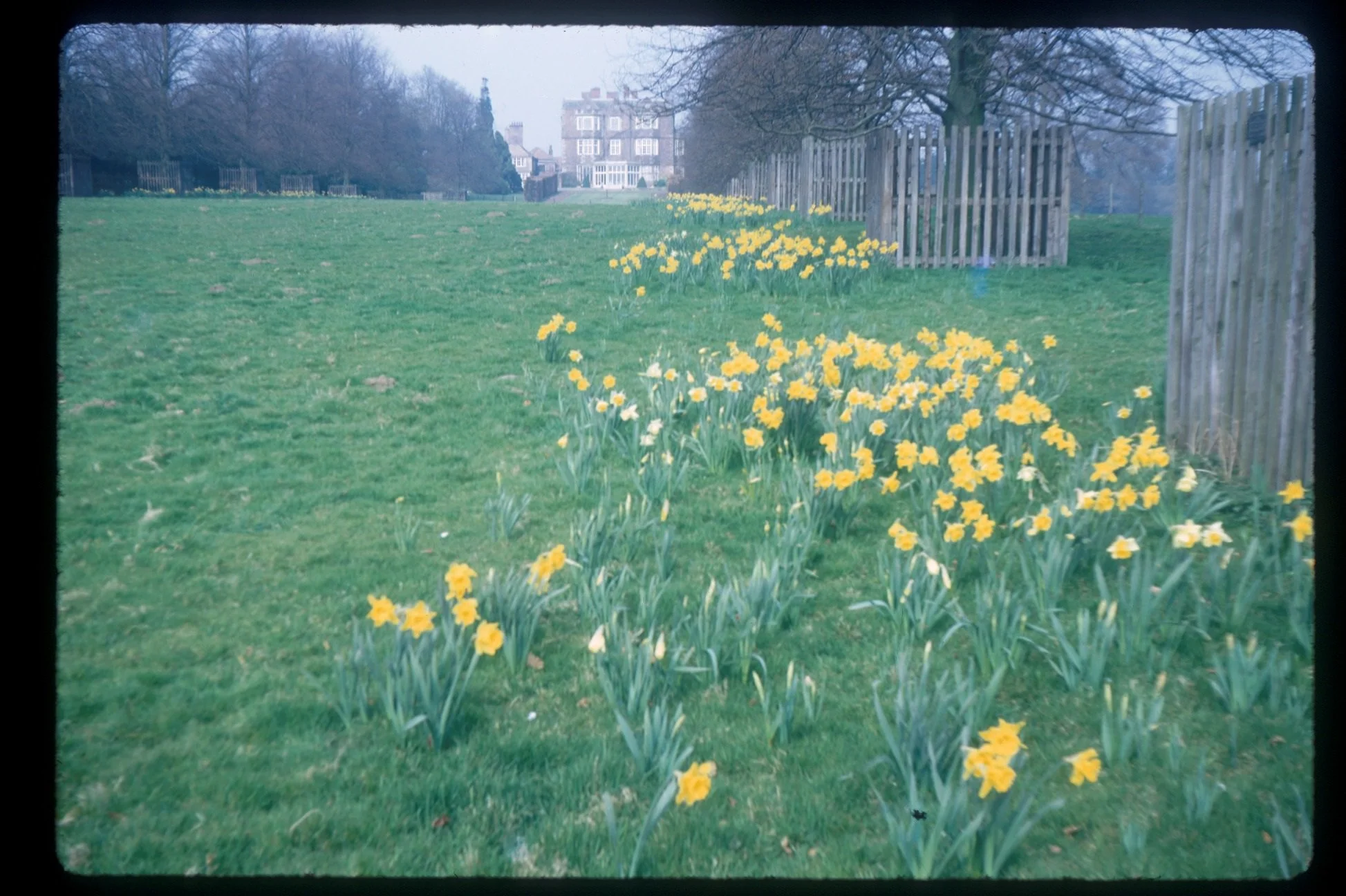
Daffodils from the Hanson family album from the 1970s
Once Princess Mary and Viscount Lascelles had left, the Hall underwent a transformation, becoming Oatlands School - a boys’ preparatory boarding school relocated from Harrogate in 1939, just before the onset of the Second World War.
The 1960s saw another pivotal moment when the Hanson family purchased the Hall and lovingly restored it to a private family home. Their stewardship brought further enhancement to the estate, as the family planted over 50,000 daffodils throughout the Lime Tree Walk.
The Lime Tree Walk Today
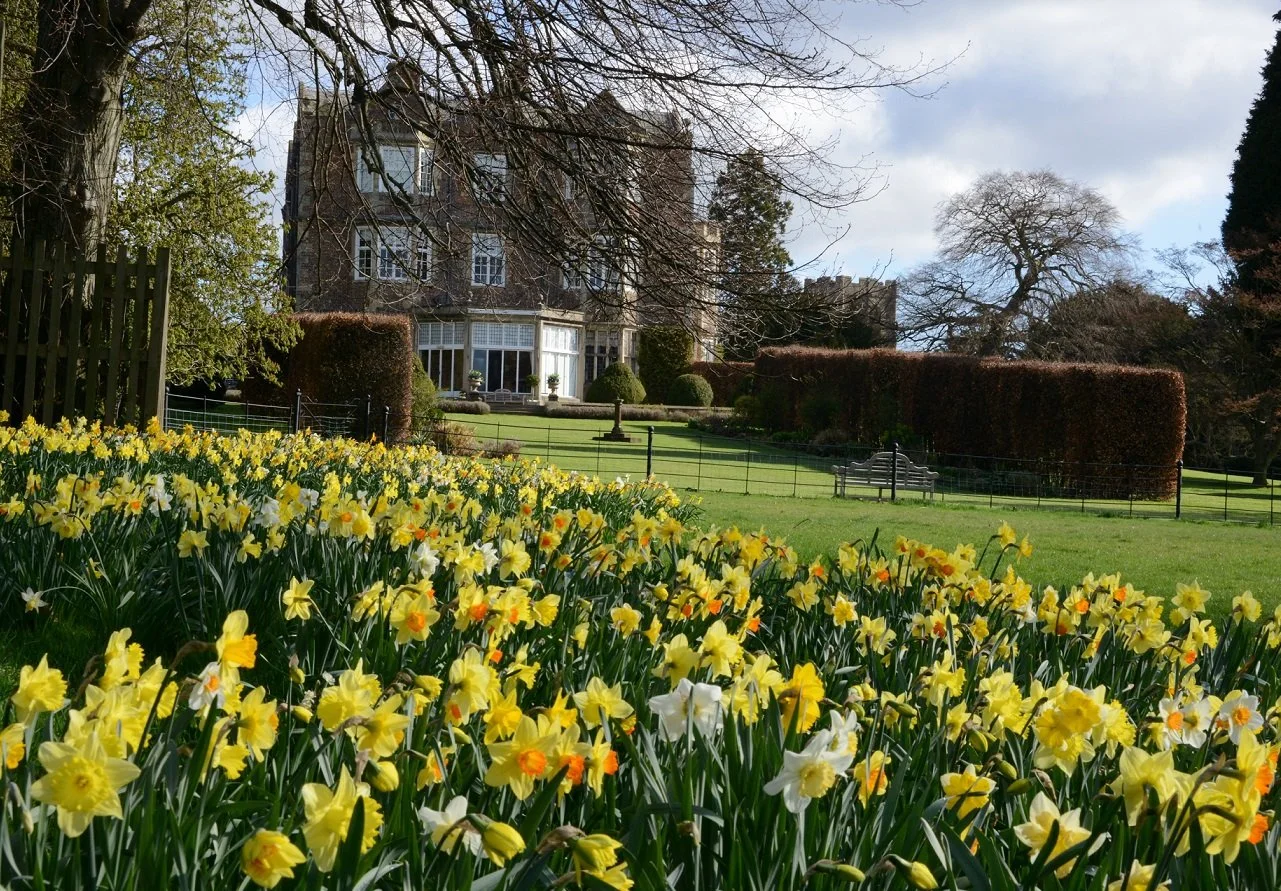
Spring in the Lime Tree Walk, at the historic Yorkshire gardens of Goldsborough Hall
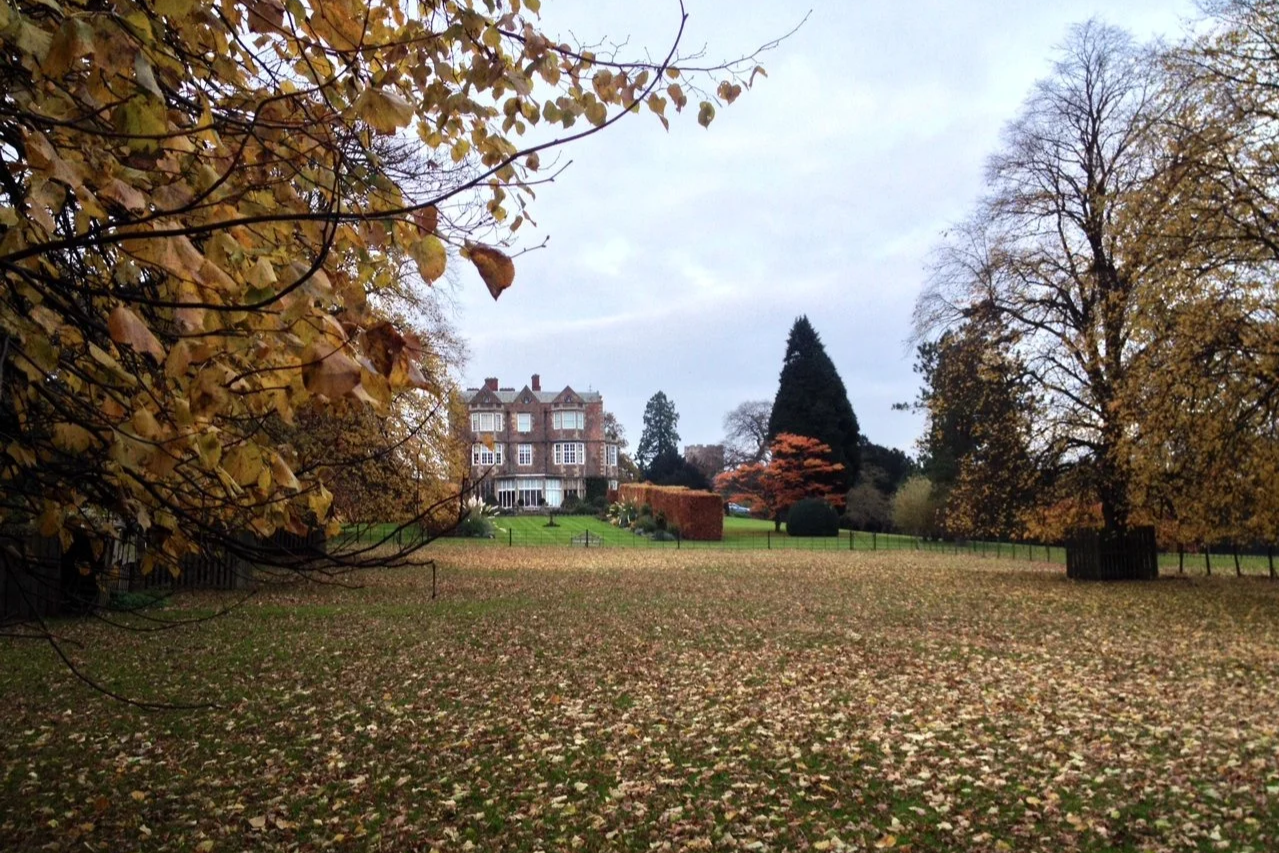
Autumn at this Yorkshire country house garden
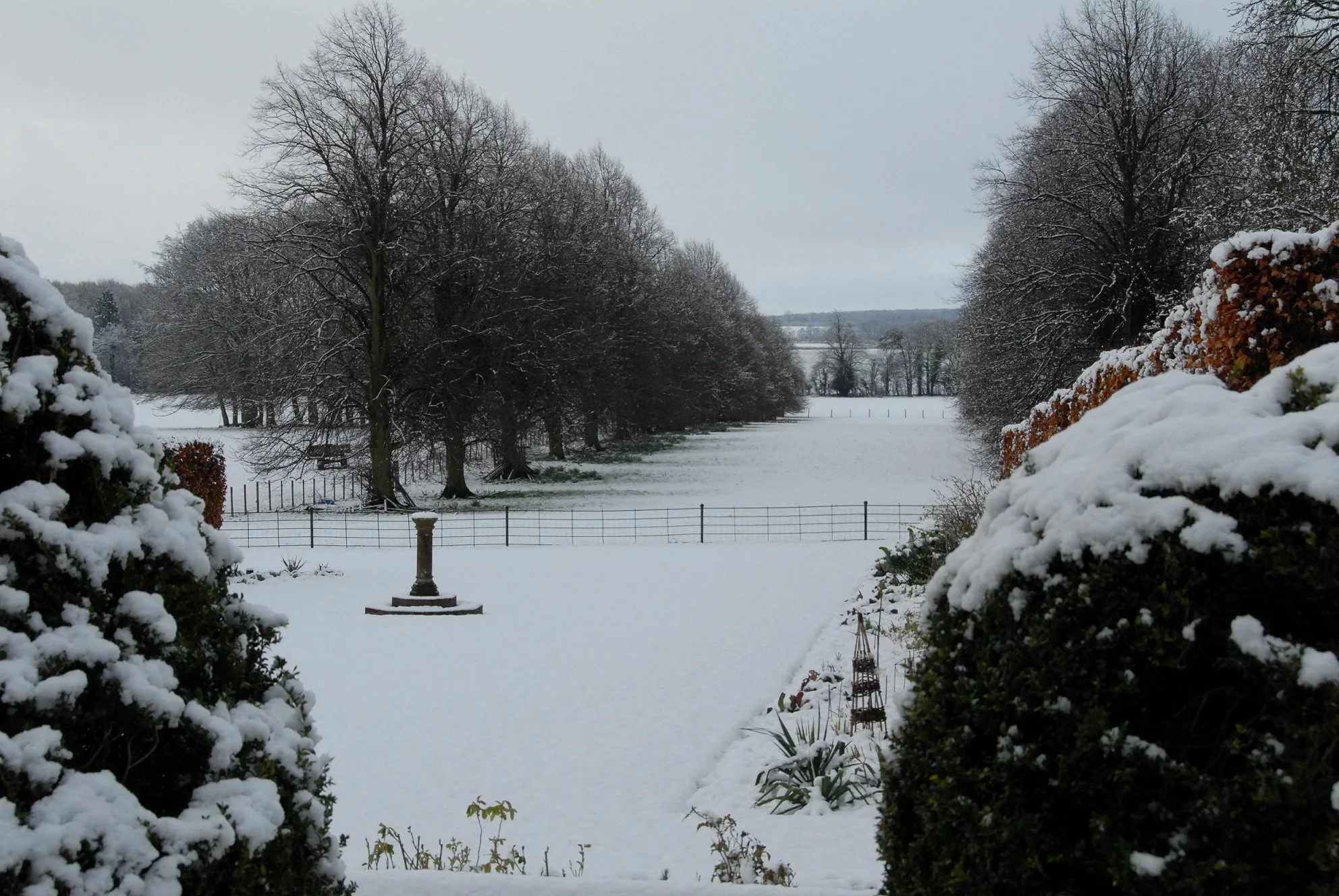
Stark winter trees in a royal landscape design
When Mark and Clare Oglesby became owners of Goldsborough in 2005, they found that many of the original plaques commemorating the estate's trees were still present. However, a significant number of these plaques had fallen to the ground as their protective wooden enclosures had rotted and broken over time. Recognising the historical and sentimental value of these plaques, Mark and Clare undertook the task of restoring the enclosures to safeguard them from damage, particularly from grazing animals. Their efforts aimed to preserve these important markers and maintain the estate's connection to its past.
The Goldsborough gardeners have also planted thousands of
daffodils in the Lime Tree Walk
Despite their restoration work, Mark and Clare discovered that a few plaques were missing from certain trees, making it impossible to determine who originally planted them. In response, they chose to create new commemorations. On 28th February 2012, they planted a tree to honour the 90th wedding anniversary of Princess Mary and Viscount Lascelles. In addition, a lime tree was planted to mark the coronation of King Charles III on 6th May 2023. Continuing the tradition of enhancing the estate’s natural beauty, the Goldsborough gardeners have also planted thousands of daffodils, building upon the legacy of the Hanson family era.
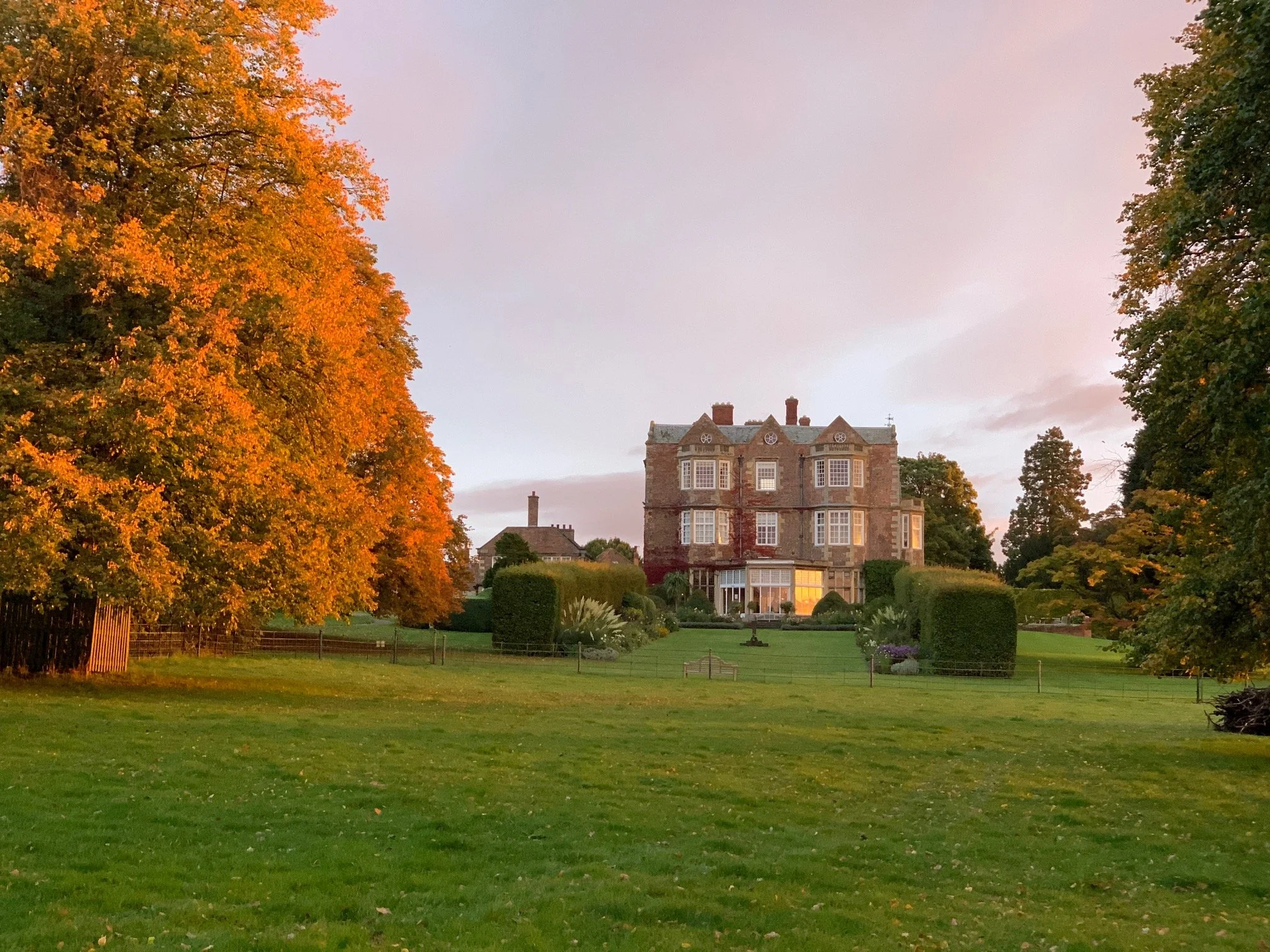
Autumn in the historic gardens in Yorkshire
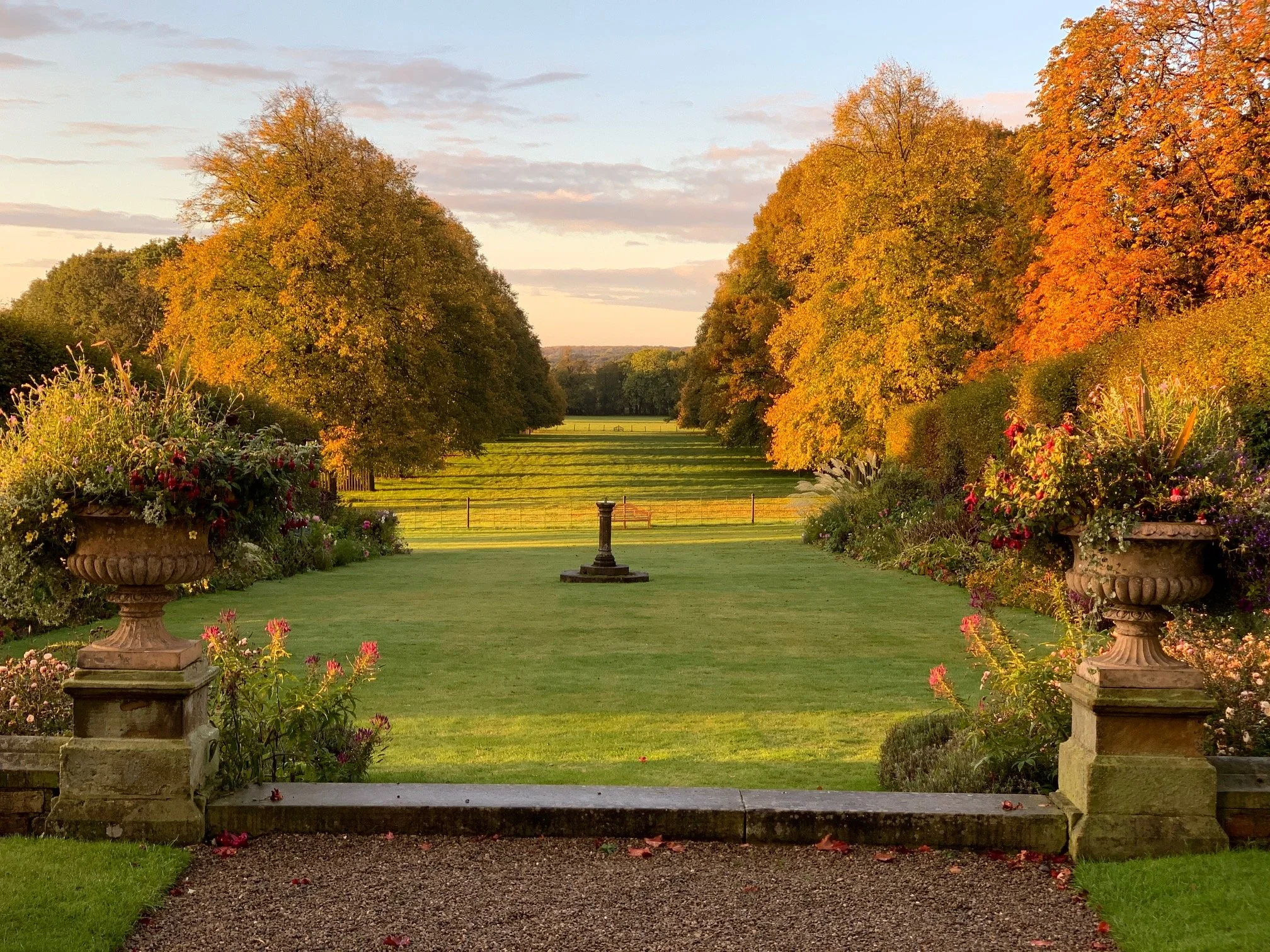
Autumnal glow in Goldsborough’s royal gardens
A Living Legacy
The Lime Tree Walk offers more than just a pleasant stroll; it serves as a living chronicle of history. This iconic avenue has witnessed countless moments over the years. Wedding couples have traversed its length, marking the beginning of new chapters in their lives. It remains one of the most recognisable and cherished features within the Goldsborough estate and stands as a lasting testament to the Hall’s royal heritage.
The Lime Tree Walk remains one of the most recognisable and cherished features
of the Goldsborough estate

Wedding couple in the Lime Tree Walk at this historical Yorkshire venue. Image by And Ever After
Each year, the avenue undergoes a remarkable transformation with the changing seasons. In spring, a delicate canopy of fresh green leaves unfurls. As summer arrives, the trees become alive with the gentle hum of bees.
The approach of autumn is marked by a stunning display of golden foliage, while the onset of winter reveals the walk’s stark beauty, as the bare branches remain upright and steadfast - a powerful symbol of enduring roots and continuity through time.
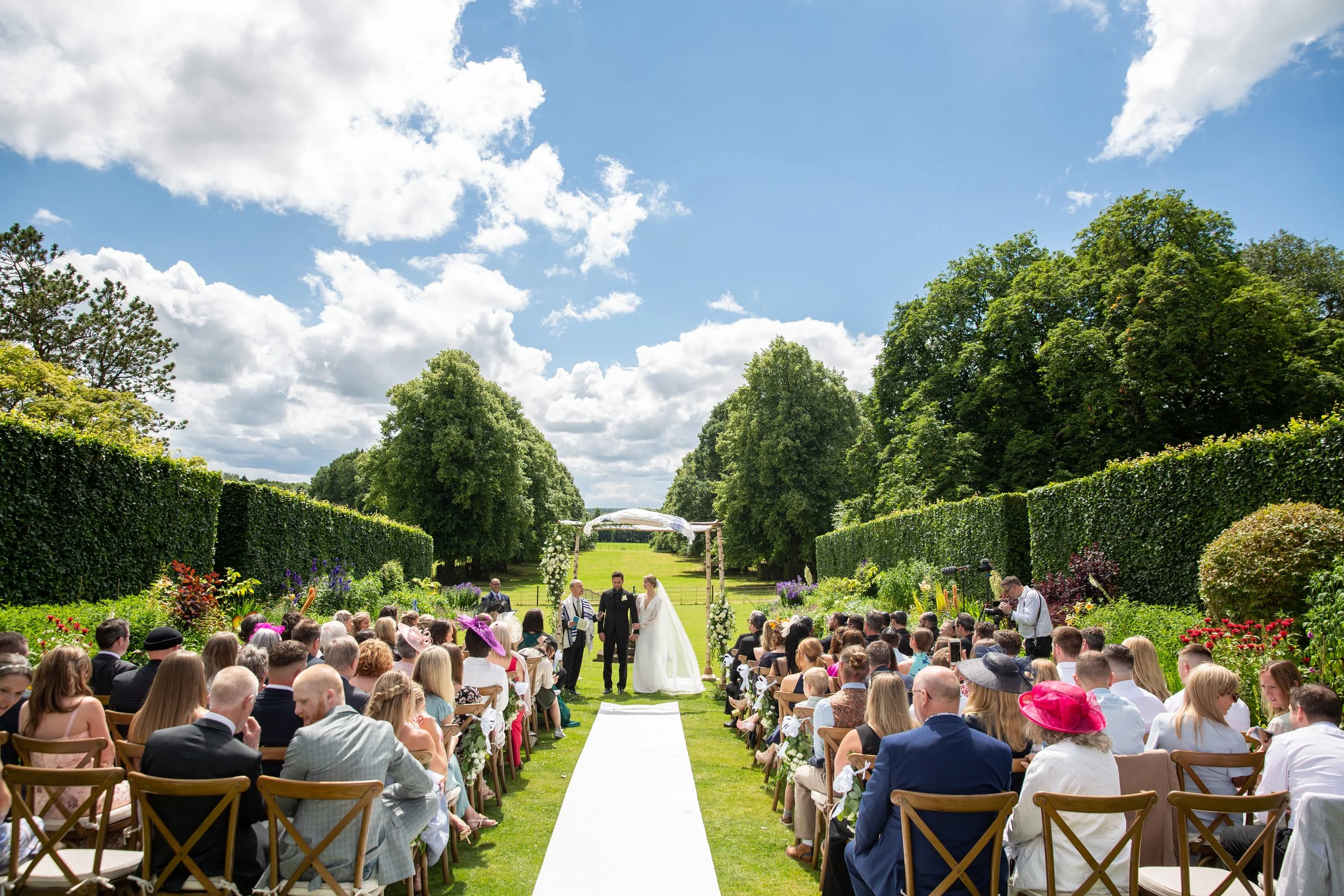
The tree-lined avenue of the Lime Tree Walk perfectly frames the outdoor wedding. Image by Peter Rollings

Romantic wedding photography - a couple with the Lime Tree Walk in the background. Image by Chris Milner
A walk down the Lime Tree Walk isn’t just a stroll through the gardens
- it’s a walk through history
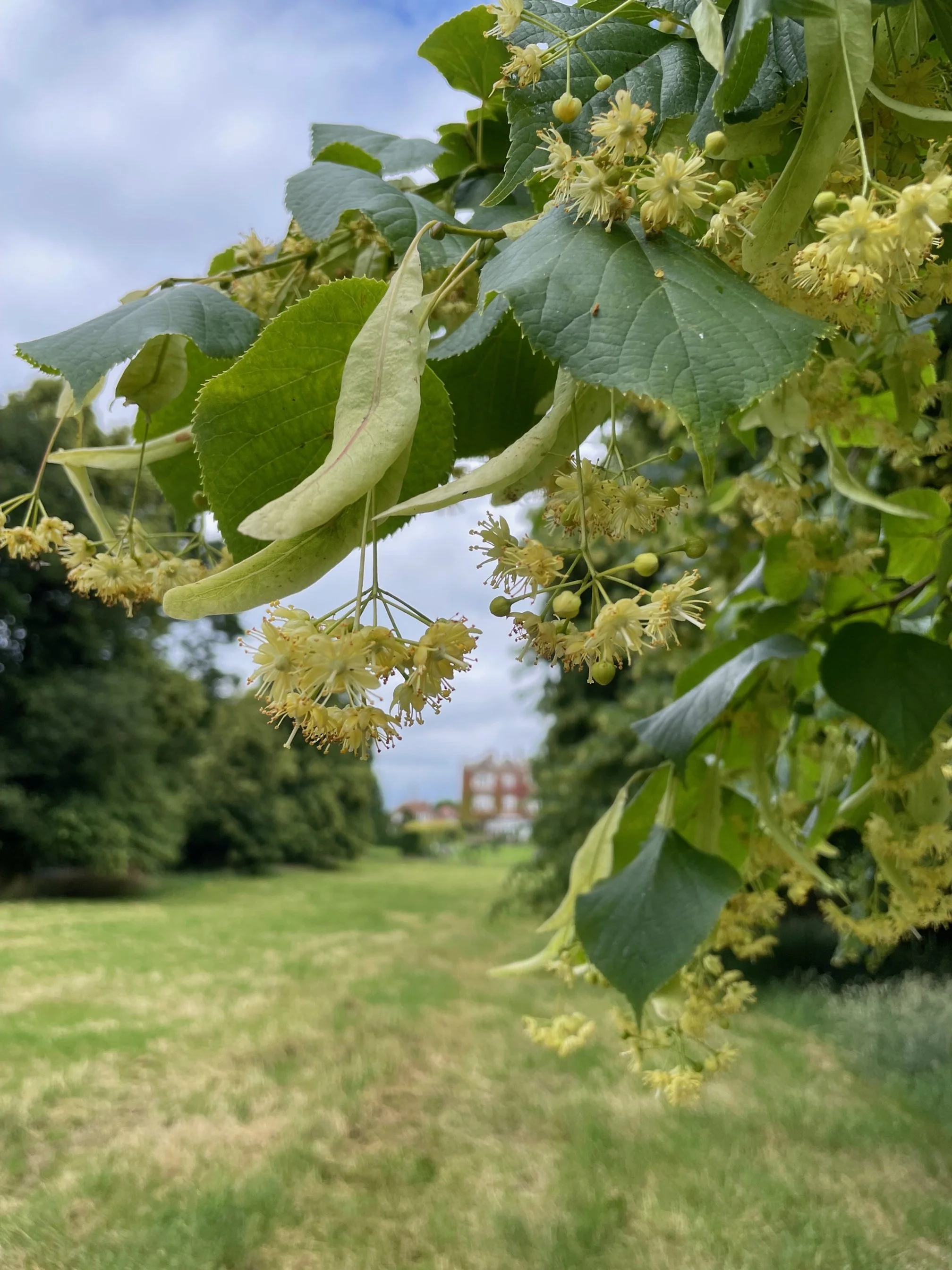
Lime flowers - perfect for the bees
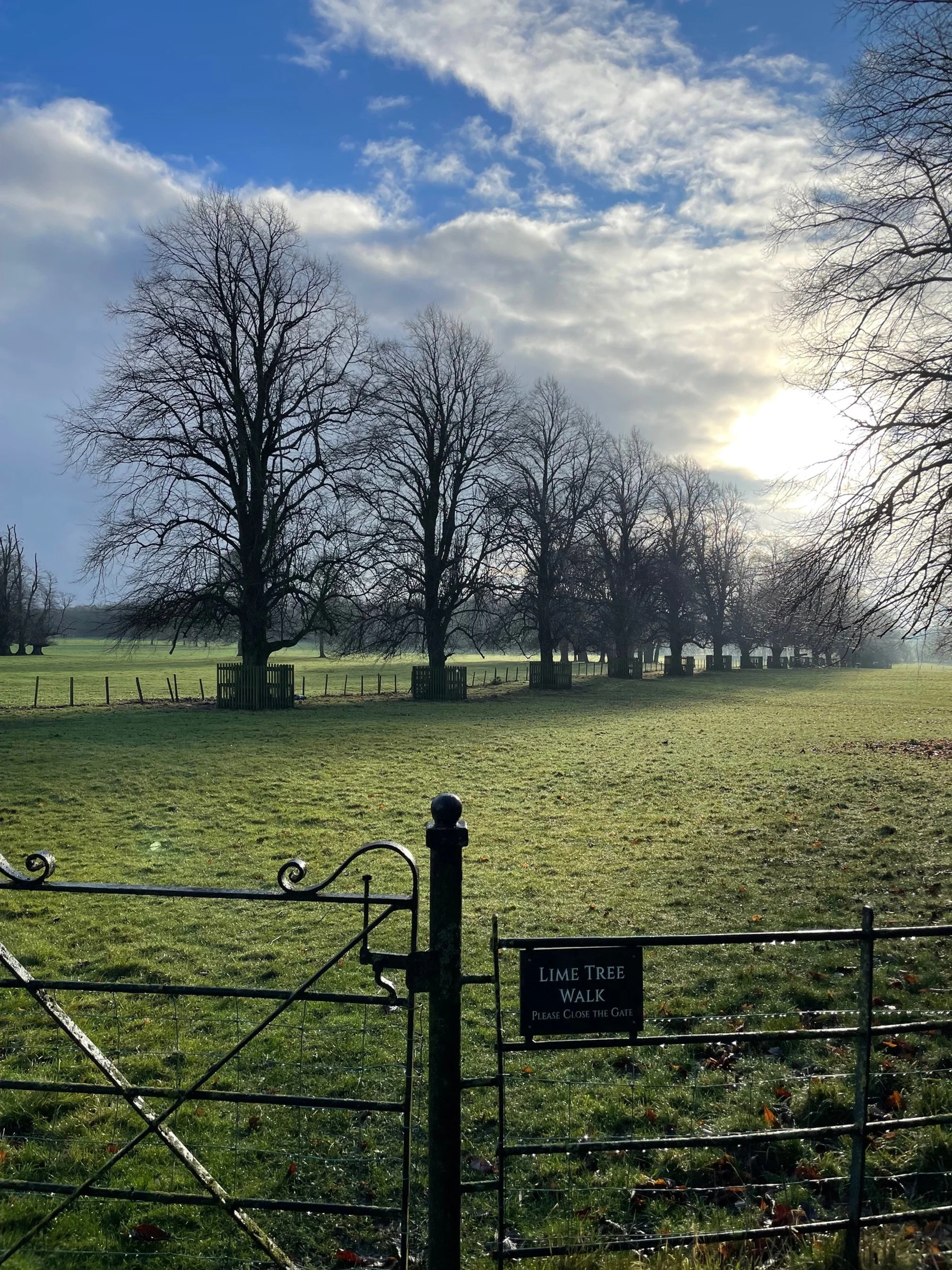
Bare trees in the Winter - moody and timeless
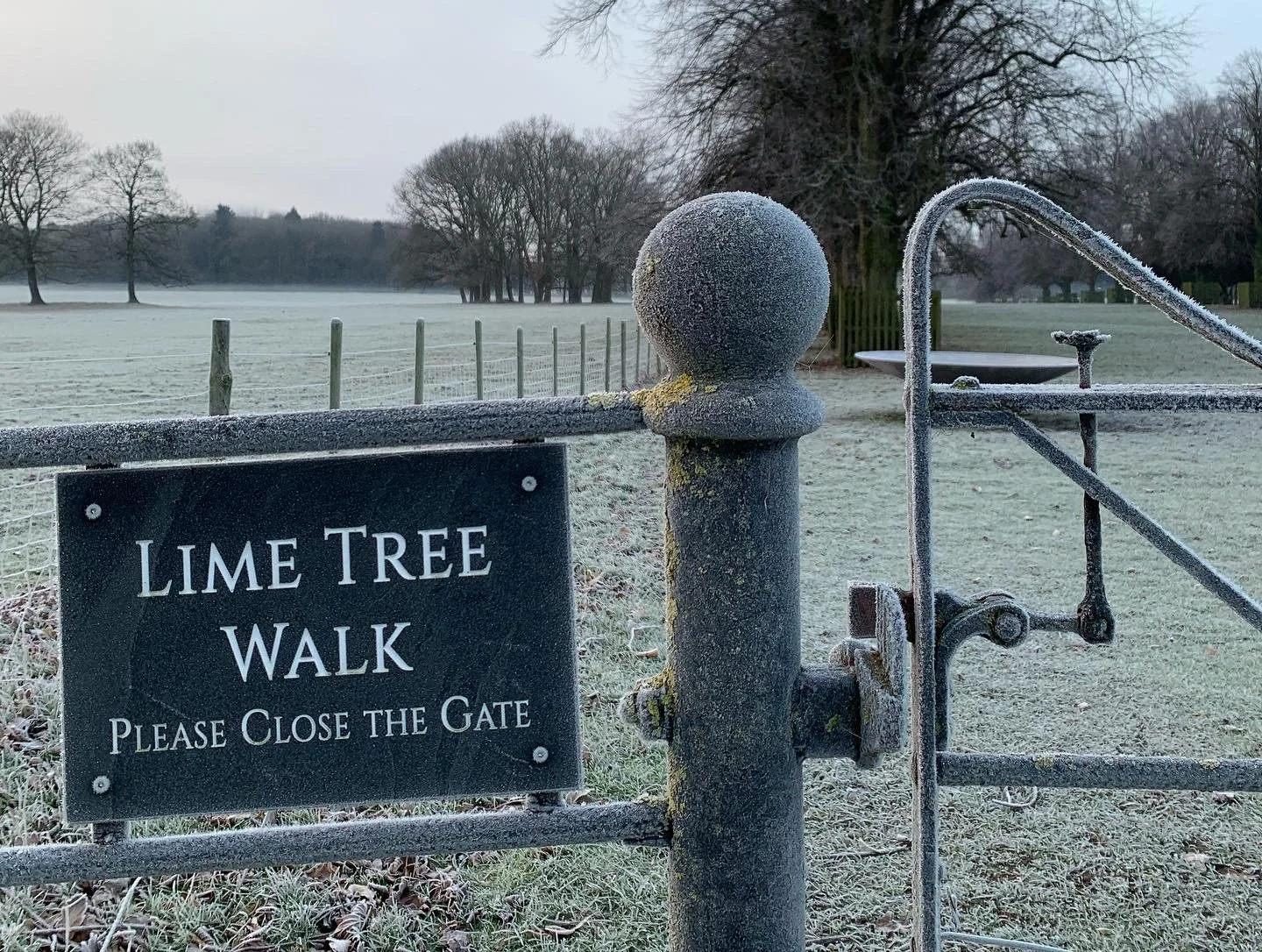
The Lime Tree Walk - a quarter-mile long tree-lined avenue at Yorkshire’s Goldsborough Hall
How to see the Lime Tree Walk
Open gardens eg Snowdrop Days or National Garden Scheme Open Days
My thanks to Peter Rollings,and Chris Milner for their images.