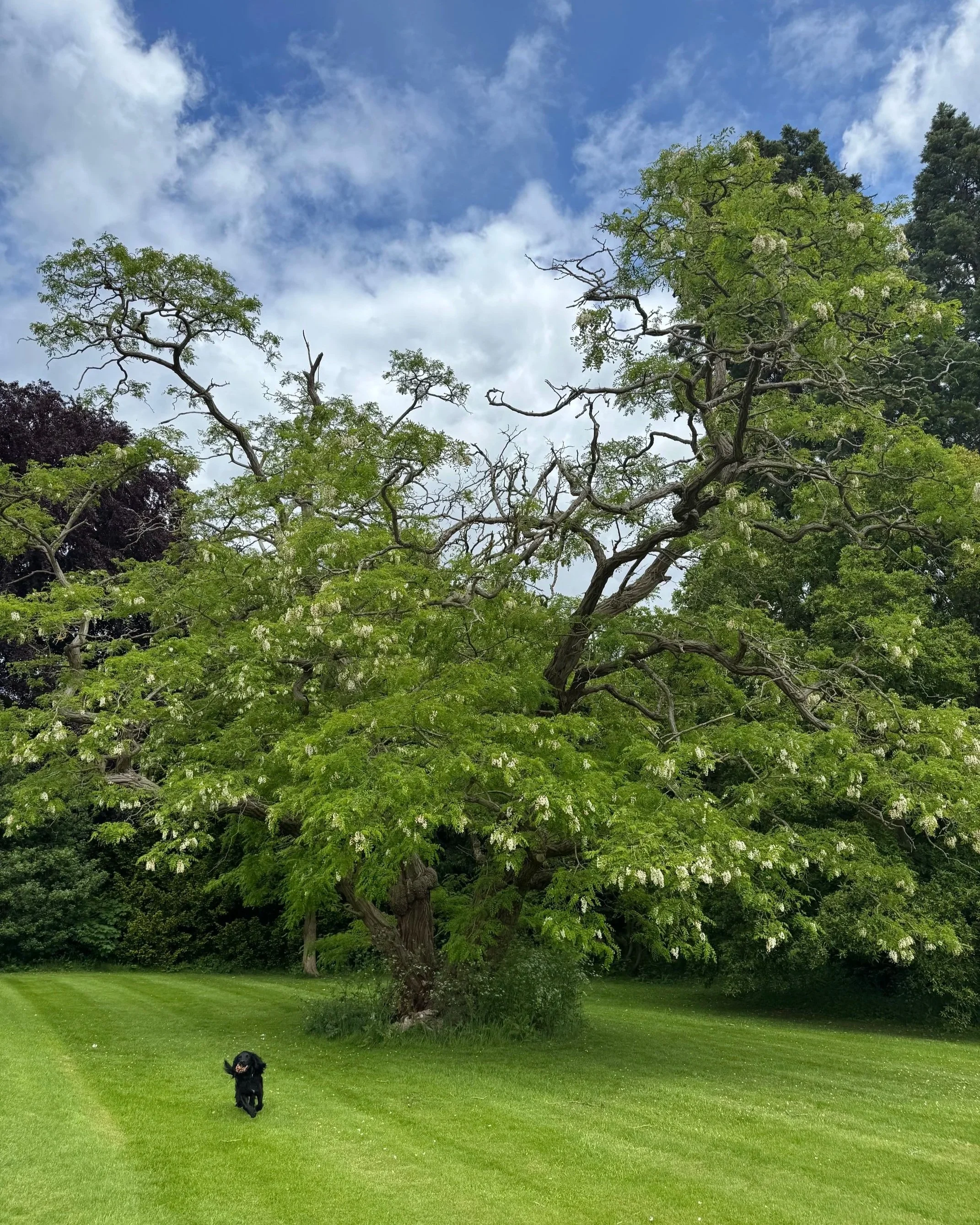
The ancient Robinia pseudoacacia (false acacia) planted just outside the Hall bursts into flower in late May/early June
Standing proudly beside the front steps of Goldsborough Hall is a tree with an extraordinary story to tell. At first glance, it is simply a beautiful old specimen – a Robinia pseudoacacia, more commonly known as the false acacia tree – but beneath its branches lies one of the most important horses in racing history.
This remarkable tree marks the resting place of the legendary Byerley Turk.
For visitors strolling through the gardens today, it is easy to admire the tree for its beauty alone. In late spring, its elegant cascades of scented white flowers hang in delicate racemes from the branches, filling the air with fragrance for a fleeting week or two each year. Its deeply ridged bark speaks of great age, while the surrounding suckers and younger companion trees hint at its determination to survive and spread across the centuries.
Yet this Yorkshire Champion Tree is far more than an ornamental feature in the grounds. It stands as a living memorial to one of the founding fathers of the modern thoroughbred horse.
The Byerley Turk and Goldsborough Hall
The Byerley Turk was owned by Captain (later Colonel) Robert Byerley (1660–1714), who lived at Goldsborough Hall during the late 17th and early 18th century. The horse’s true origins remain shrouded in mystery. Some accounts suggest he was captured from Ottoman forces during the Battle of Buda, while others believe he may even have been bred in England. No one can say for certain.
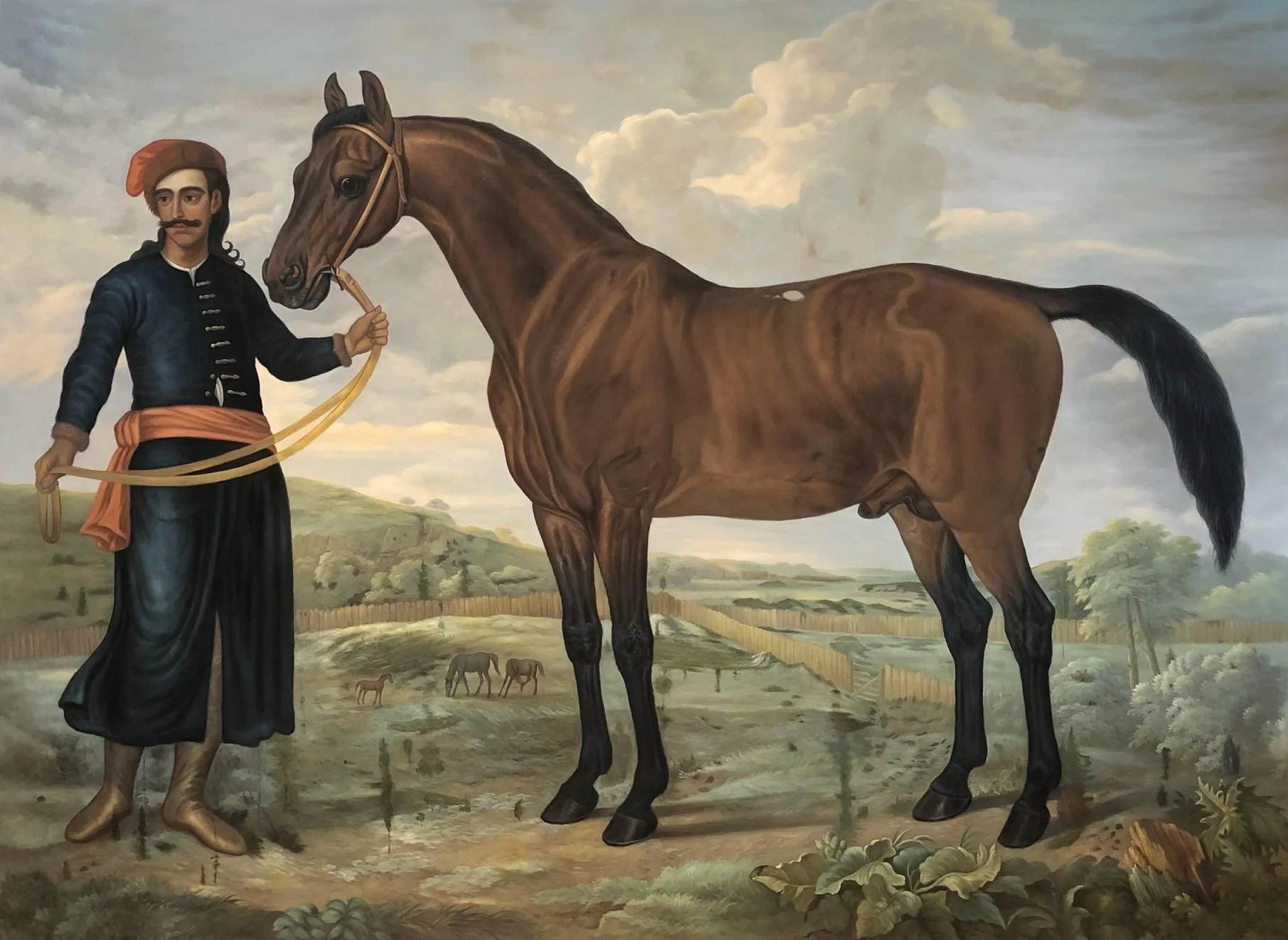
The Byerley Turk by equestrian painter Thomas Spencer
What is known is that the horse became Captain Byerley’s trusted war horse and gained fame for his courage and speed. Most famously, at the Battle of the Boyne in 1690, Captain Byerley narrowly escaped capture while riding ahead of the main army, later claiming he owed his safety to ‘the superior speed of his horse’.
After his military years, the Byerley Turk retired to Goldsborough Hall, where he stood at stud. Although only covering a relatively modest number of mares compared with later stallions, his bloodline would prove invaluable. Alongside the Darley Arabian and the Godolphin Arabian, the Byerley Turk became one of the three great foundation stallions from which every thoroughbred racehorse in the world today descends.
The Byerley Turk died in 1706 and was buried directly outside the front entrance of the Hall. To honour his famous horse, Captain Byerley planted this tree above the grave.
Why Plant a False Acacia?

Scented white flowers hang in delicate racemes
The choice of a Robinia pseudoacacia is an intriguing one.
Originally native to the eastern United States, the species had only recently arrived in Britain during the 17th century and was still considered highly unusual at the time the Byerley Turk died. It would not become widely fashionable in British landscapes until much later in the 18th century.
Perhaps Captain Byerley simply admired the tree’s resilience and strength. Robinia is renowned as a pioneer species, valued for its toughness and ability to endure difficult conditions. Its timber is famously durable and rot-resistant, historically prized by North American shipbuilders for constructing wooden sailing vessels.
It is tempting to think that Byerley chose the tree deliberately as a symbol of endurance, loyalty and survival – qualities his celebrated war horse had demonstrated so dramatically during battle.
Whether chosen for symbolism, rarity or simple admiration, the decision has certainly stood the test of time. More than 300 years later, the tree still survives.
A Yorkshire Champion
For many years, the Tree Register recognised this specimen as a British Champion Tree because of its exceptional age and girth. Although it has since been reclassified as a Yorkshire Champion, it remains one of the county’s most significant examples of the species.
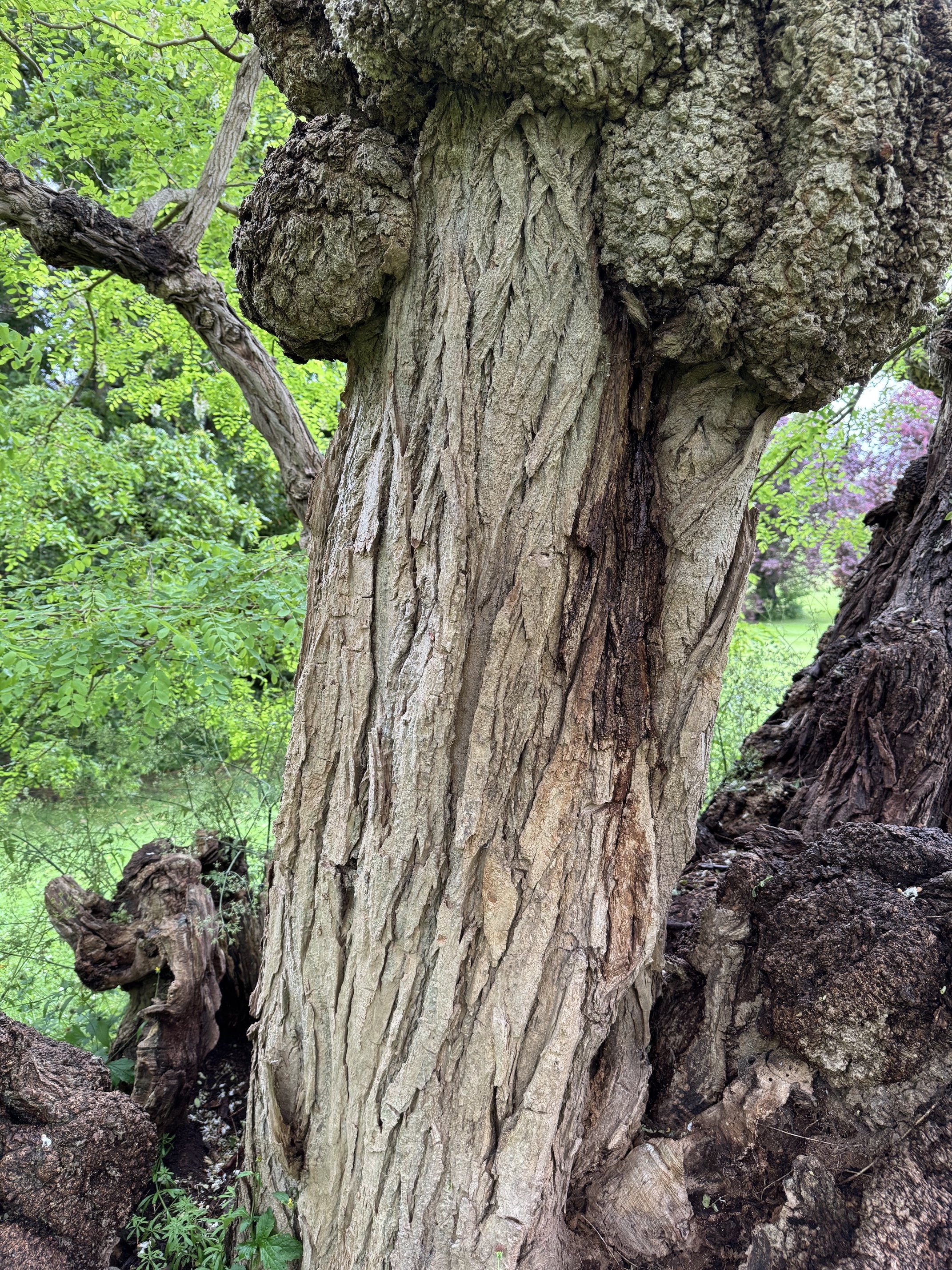
The false acacia’s bark is gnarly and ridged
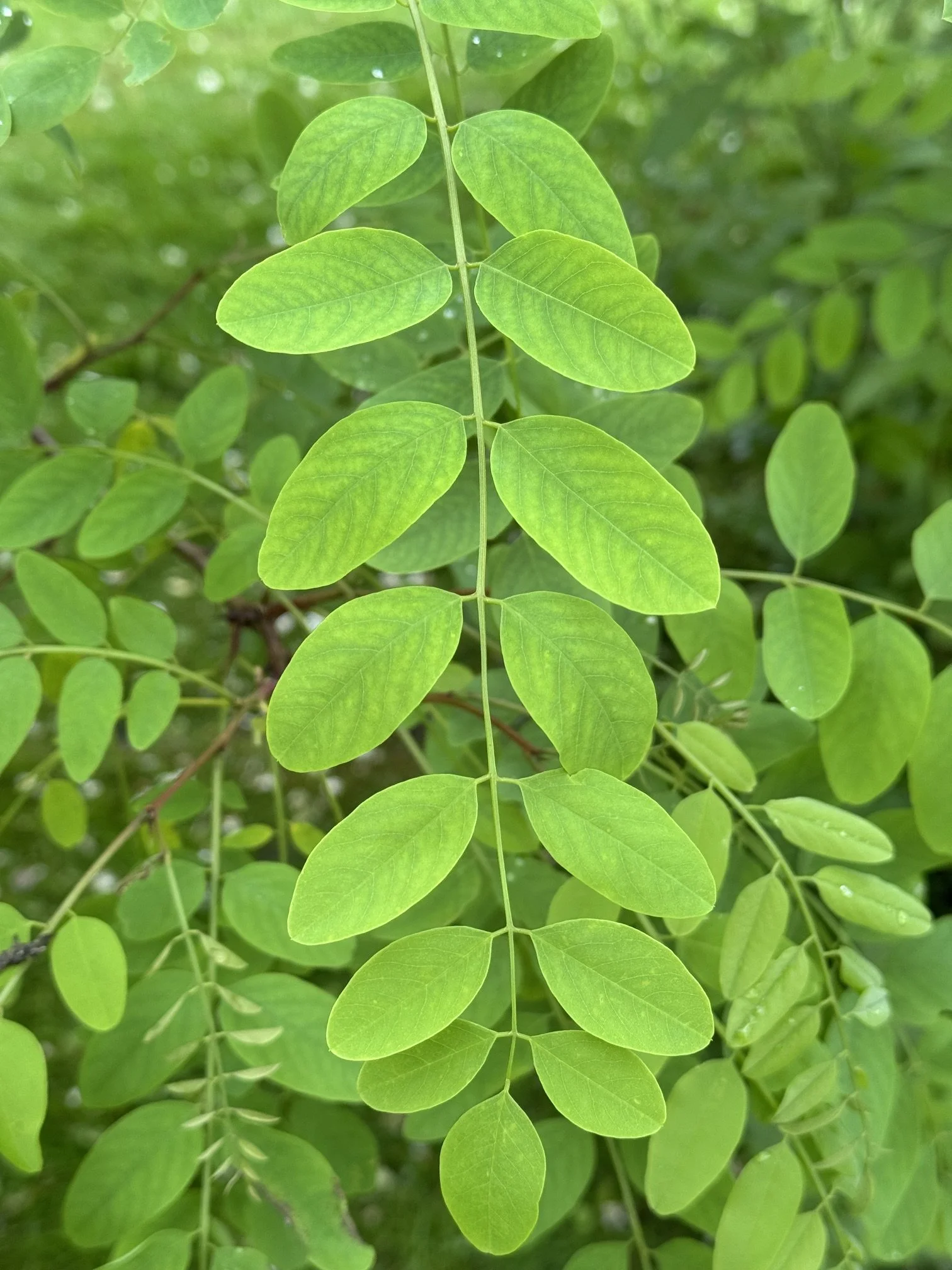
Its leaves have a central stem with small leaves arranged on either side of it
Its age alone makes it remarkable. Few living trees can claim such a direct and tangible connection to an individual horse whose bloodline shaped the global racing industry.
Standing beneath its branches today offers a rare sense of continuity with the past. This is not simply a historic marker or a memorial plaque. It is a living survivor from the age of Queen Anne, still growing beside the Hall exactly where Captain Byerley planted it more than three centuries ago.
Visiting the Tree at Goldsborough Hall
The Byerley Turk tree is just one of many remarkable specimens within the grounds at Goldsborough Hall. Visitors to the gardens can discover champion trees, sweeping parkland views, seasonal planting and centuries of history woven throughout the landscape.
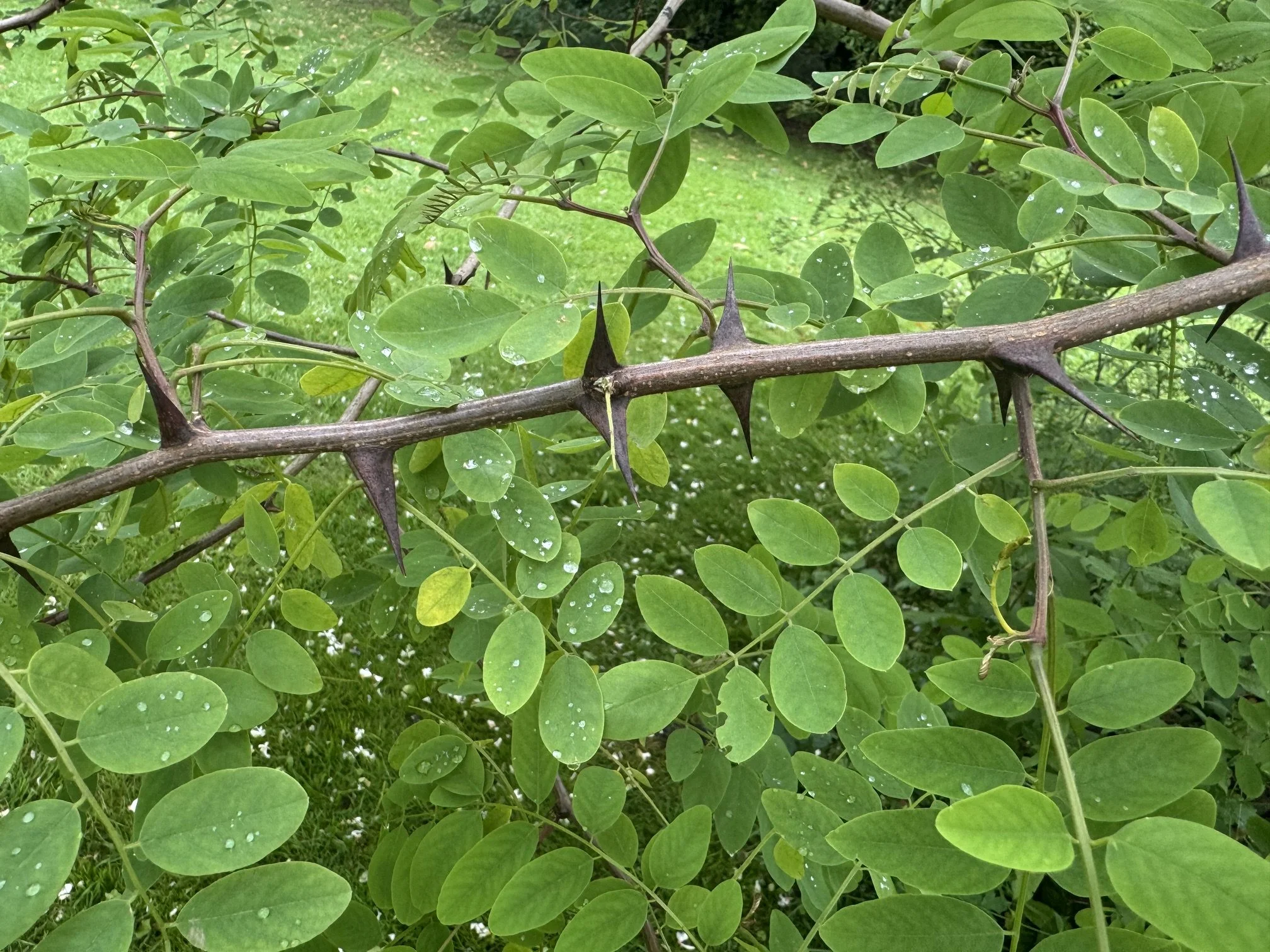
Its branches are spiky with long sharp thorns, similar to a typical acacia-like tree
Selected garden open days take place throughout the year, offering the opportunity to explore the grounds while also enjoying coffee, sandwiches, lunch or afternoon tea at the Hall.
If you are visiting in late spring, the false acacia is particularly beautiful when in flower, its drooping white blooms providing one of the garden’s most enchanting displays.
Garden tickets can be booked online on the Gardens page.
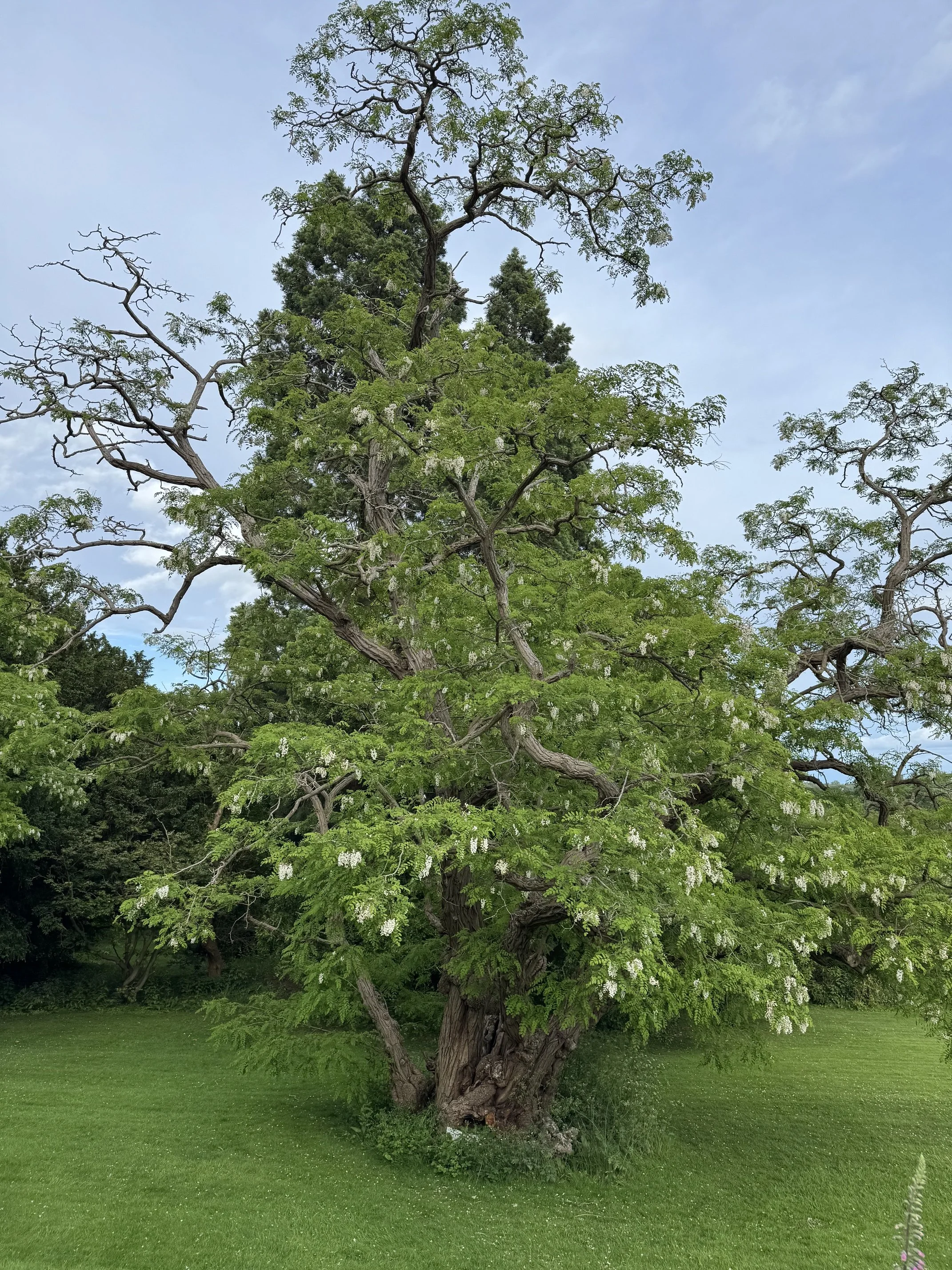
The Yorkshire champion false acacia
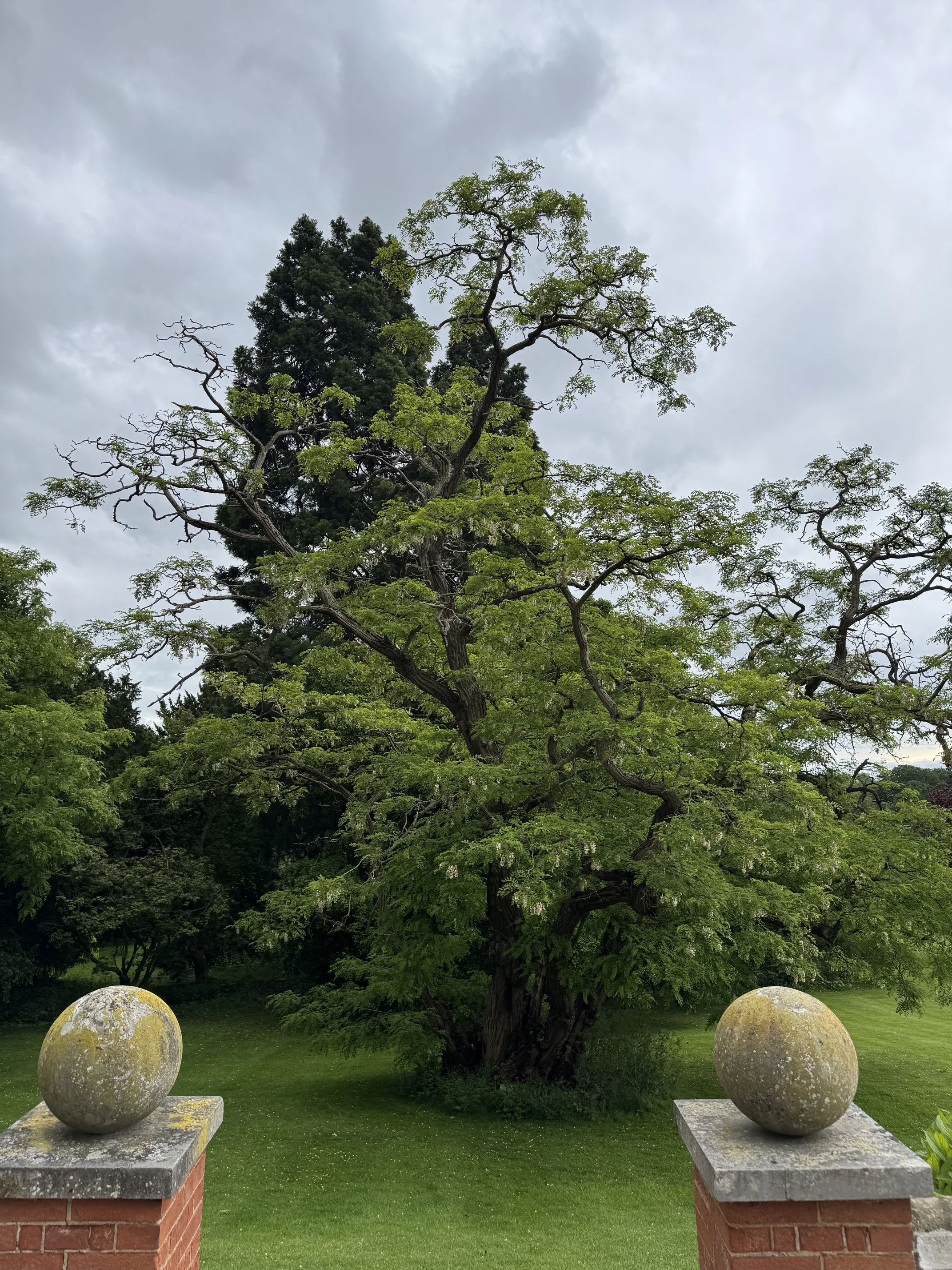
The tree was planted in 1706 by Robert Byerley